Substance Use Disorder SUD

Jeff Brown • June 23, 2023
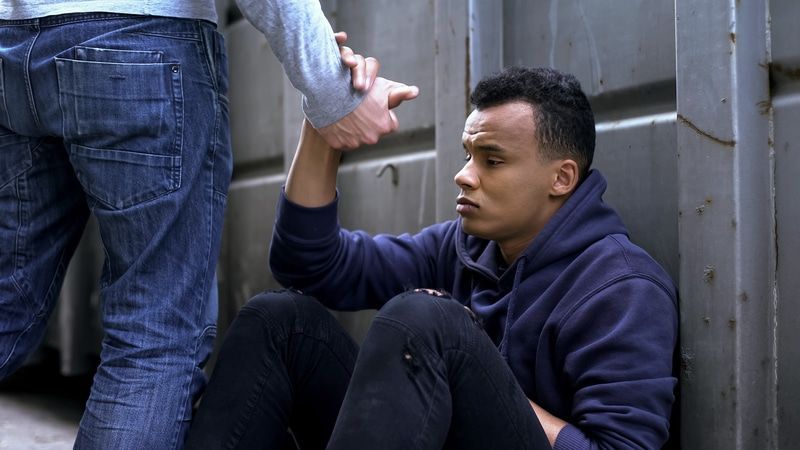
Man in a blue hoodie being helped up by another person, leaning against a metal structure.


Substance use disorder (SUD), also called addiction, is a complex mental health condition that affects a person’s ability to control their substance use, despite harmful consequences.

Drug addiction can hurt you and the people around you in many ways. It can damage your mental and physical health, strain your relationships, and cause professional, social, and financial problems.

Also, using too much alcohol, drugs, or other substances, whether legal or illegal, can cause big changes in how the brain works. This can lead to compulsive drug and alcohol use, substance dependency, and addiction.

Substance Use Disorder in Numbers

According to the UN Office on Drugs and Crime (UNODC), young people consume more drugs than previous generations.

Their 2022 report shows that around 284 million people aged 15 to 64 used drugs globally in 2020. This is a 26% increase over the earlier decade.

Furthermore, according to a Recovery Research Institute report, around 20 million people in the United States have a substance use disorder (SUD). Also, one out of every ten Americans says they have beaten a significant drug problem.

Researchers have also found that stress about the COVID-19 pandemic has led to a big rise in drug use, anxiety, depression, and thoughts of hurting oneself.

Substance Use Disorder Symptoms

The symptoms of SUD may be psychological, physical, or behavioral. They can range from mild to severe, with addiction being the most severe form.

Recognizing the symptoms of substance use disorder is the first step toward healing.

The following are common psychological, physical, and behavioral signs of SUD.

Psychological SUD Symptoms

  • You feel agitated or angry
  • You feel anxious, fearful, or paranoid
  • You are excessively tired all the time
  • You experience sudden mood changes
  • You lack energy and motivation
  • You experience periods of excessive energy and restlessness

Physical Symptoms of SUD

  • Your sleep patterns have changed
  • You struggle with appetite change
  • You experience sudden weight loss or gain
  • Your pupils are smaller or larger than usual
  • You have tremors
  • Your coordination is impaired
  • You have slurred speech
  • Your physical appearance has deteriorated

Behavioral Symptoms of SUD

  • An urge to drink, use drugs, or take medicine every day
  • You neglect self-care (eating, sleeping, etc.)
  • You take risks or do things you wouldn’t normally do to get drugs.
  • Substance use is causing problems at work and in social life
  • Your substance use is becoming a financial burden
  • Over time, you need more substances to get the same effect
  • You ensure a steady supply of substances
  • You keep trying to stop using drugs, but you always fail
  • You experience withdrawal symptoms when you try to stop taking drugs or alcohol

The Types of Substance Use Disorder

Substances for which you can develop a substance use disorder involve:

  • Alcohol
  • Tobacco
  • Cannabis
  • Hallucinogens 
  • Opioids
  • Inhalants
  • Sedatives, hypnotics, and anxiolytics
  • Simulants


Substance Use Disorder vs. Substance Abuse

Even though people often use the terms “substance use disorder” and “substance abuse” interchangeably, they mean different things.

Substance use disorder (SUD) or addiction is a medical illness that can be diagnosed. In contrast, substance abuse involves the inappropriate or harmful use of substances, but it is not a diagnosable disorder. However, ongoing substance abuse can develop into a substance use disorder.

What starts as prescribed medication therapy, recreational drinking, or experimental drug use can become an addiction over time.

Addictive substances activate the brain’s reward and neural motivation pathways, triggering the feel-good hormone dopamine, which floods the bloodstream, causing the feeling of “high.” So, you compulsively use substances despite their harmful effects.

Over time, your body adapts to these highs. As your pleasure threshold rises, withdrawal symptoms occur – you may feel anxious, scared, and physically ill – without drugs.

However, substance use disorders are treatable mental health conditions, despite their complexity and severity.

Treatment for SUD: The Advantages of Breaking the Habit

Using drugs or alcohol changes the brain’s work and makes it hard to break the habit, even if you think you can control how much you use. You will eventually need more drugs to get “high,” which turns the initial feeling of pleasure into dependence and addiction.

Counseling and the 12-Step Program are vital parts of addiction rehab and recovery. Once you enter treatment, you’ll have your life back.

SUD counseling can help you:

  • Understands what caused your addiction
  • Come up with ways to deal with it
  • Improve your mental and physical health
  • Get interested in things you used to enjoy
  • Get back in touch with family and friends.

You can join a peer support group and a sober living home to help you stay clean and sober and deal with the challenges of everyday life.

Substance abuse hurts both you and the people around you. However, there are several addiction treatments available today. Seek SUD treatment to recover from substance abuse and reclaim your life.


RECENT ARTICLES
By Marjorie McMillian November 1, 2025
Rising Stronger: How Navigating Life’s Challenges Can Spark Personal Growth Life doesn’t always move in straight lines. For many, the hardest chapters, the ones marked by setbacks, uncertainty, or recovery, become the turning points that lead to transformation. Growth doesn’t happen in the absence of struggle; it happens through it. If you’re rebuilding, healing, or starting over, remember this: adversity isn’t just something to survive. It's something that can shape you into a wiser, more grounded, more purpose-driven version of yourself. 🌅 Highlights ● Adversity isn’t failure; it’s feedback for growth. ● Small steps toward structure, reflection, and connection build resilience. ● Your story can become your strength — not your shadow. ● New learning, purpose, and service can help turn recovery into renewal. Step 1: Reframe Adversity as an Opportunity When facing hard times, it’s easy to ask “Why me?” But reframing the question to “What can this teach me?” shifts everything. Adversity forces reflection. It helps you identify what truly matters and what no longer serves you. Whether it’s relationships, habits, or old self-beliefs, tough experiences often clear the space for something better to take root. Tip: Start journaling your reflections . Track what challenges you’ve faced, how you handled them, and what strengths helped you through. Over time, patterns of growth become clear and empowering. Step 2: Build Resilience Through Routine Healing and growth thrive in consistency. Establishing routines, even simple ones, brings calm and structure to days that might otherwise feel unpredictable. Try: ● A morning walk or stretch to start your day with movement. ● Setting one intention each day, no matter how small. ● Evening reflection or gratitude journaling to ground your thoughts. Small acts of self-discipline compound into confidence. Step 3: Connect With People Who Understand the Journey Support isn’t a luxury, it’s essential. Surround yourself with people who understand recovery and personal growth, whether that’s a peer group, mentor, counselor, or online community. Sharing your progress, fears, and victories creates accountability and connection. You don’t have to do this alone, and in fact, you’ll go further when you don’t. Step 4: Find Purpose Through Learning and Growth Sometimes, life’s hardest seasons point toward new paths, and education can be one of them. Many people find that pursuing new knowledge gives them a renewed sense of focus, confidence, and purpose. Nursing and other service-based careers often resonate deeply with people who’ve overcome adversity. If you’re thinking about starting fresh or building on earlier education, earn your MSN or explore other online degree options that align with your goals. Online programs make it possible to earn your degree while still working full-time or caring for family, allowing you to balance personal recovery with forward momentum. Some other great options could be counseling, psychology, coaching, or teaching. Such careers bring: ● Compassion ● Resilience ● Helping others grow Your journey can become a source of strength for others and a foundation for a career that gives back. Step 5: Embrace Growth as a Lifelong Practice Personal growth isn’t a destination as much as it’s an ongoing process. Even after recovery, there will be ups and downs, successes and setbacks. What matters most is your willingness to keep learning, adapting, and showing up. Ways to continue your growth journey: ● Read one inspiring book each month about resilience or mindset. ● Keep a gratitude list for perspective. ● Celebrate progress instead of perfection . ● Practice forgiveness both of others and yourself. Growth happens slowly, and then, suddenly, it shows. 🌿 Common Challenges and Growth Opportunities in Recovery Challenge Emotional Impact Growth Opportunity Helpful Action Feelings of guilt or regret Low self-worth, discouragement Develop self-compassion and forgiveness Write letters of release or affirmations Loss of old routines or friends Loneliness, identity confusion Build healthy new habits and connections Join support groups or classes Fear of failure Hesitation to move forward Learn resilience through small wins Set weekly goals and track progress Uncertainty about the future Anxiety or doubt Redefine purpose and direction Volunteer or take a new course Relapse or setbacks Shame, frustration Practice self-awareness and recommitment Talk to a sponsor, mentor, or therapist Each challenge can be a teacher — revealing what still needs healing and what’s ready to grow. ✅ Personal Growth Checklist Use this list as a guide to keep yourself on track: ● I’ve identified what challenges have shaped my growth. ● I’m maintaining a daily or weekly routine that grounds me. ● I seek connection with supportive people or groups. ● I treat myself with compassion instead of criticism. ● I’m setting achievable goals and celebrating progress. ● I’m learning new skills or exploring new paths for my future. ● I focus on the present moment instead of past regrets. ● I remind myself regularly of how far I’ve come. 🧭 Tip: Keep this checklist somewhere visible — growth is easier to see when you measure it with kindness. 🌱 Glossary Resilience: The ability to recover and adapt after difficult experiences. Self-Compassion: Treating yourself with understanding rather than harsh self-criticism. Mindset: The set of beliefs that shape how you interpret and respond to challenges. Purpose: A sense of direction or meaning that guides your actions and choices. ✨ Wrap Up Adversity can break you open, but it can also build you. Every challenge you’ve faced has given you insight, empathy, and inner strength that can guide your next chapter. When you turn your struggles into lessons, and your lessons into action, you not only grow, you transform. Recovery isn’t just about getting back to who you were; it’s about becoming someone wiser, steadier, and more capable than before. Every setback can be a seed, and you’re the soil where growth begins again.
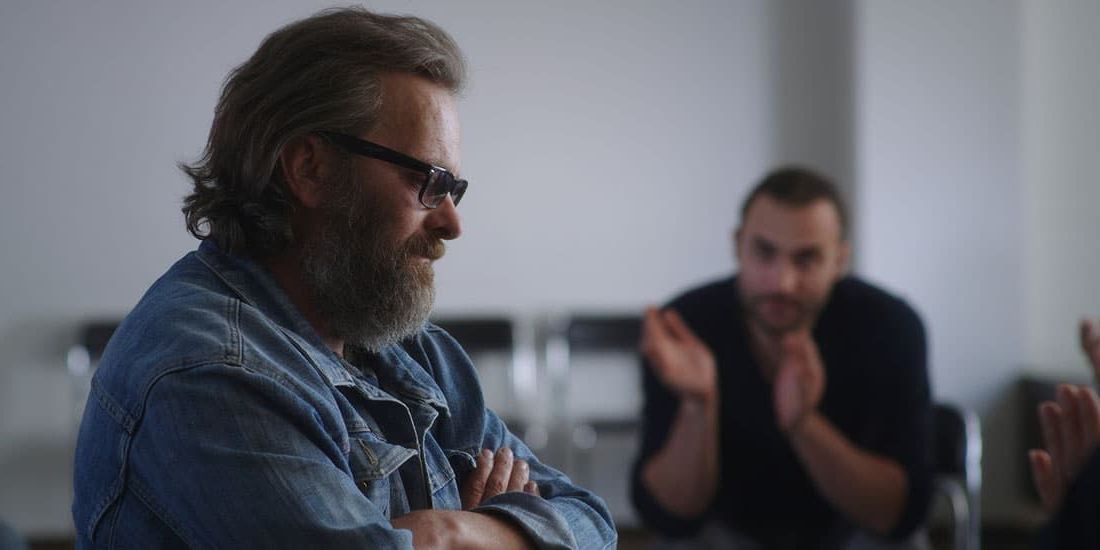
Man in denim jacket with beard, in a support group. Another man clapping in the background.
By Marjorie Mc Millian November 4, 2024
Beyond the Surface: Unraveling the Impact of Parental Anxiety on Children 
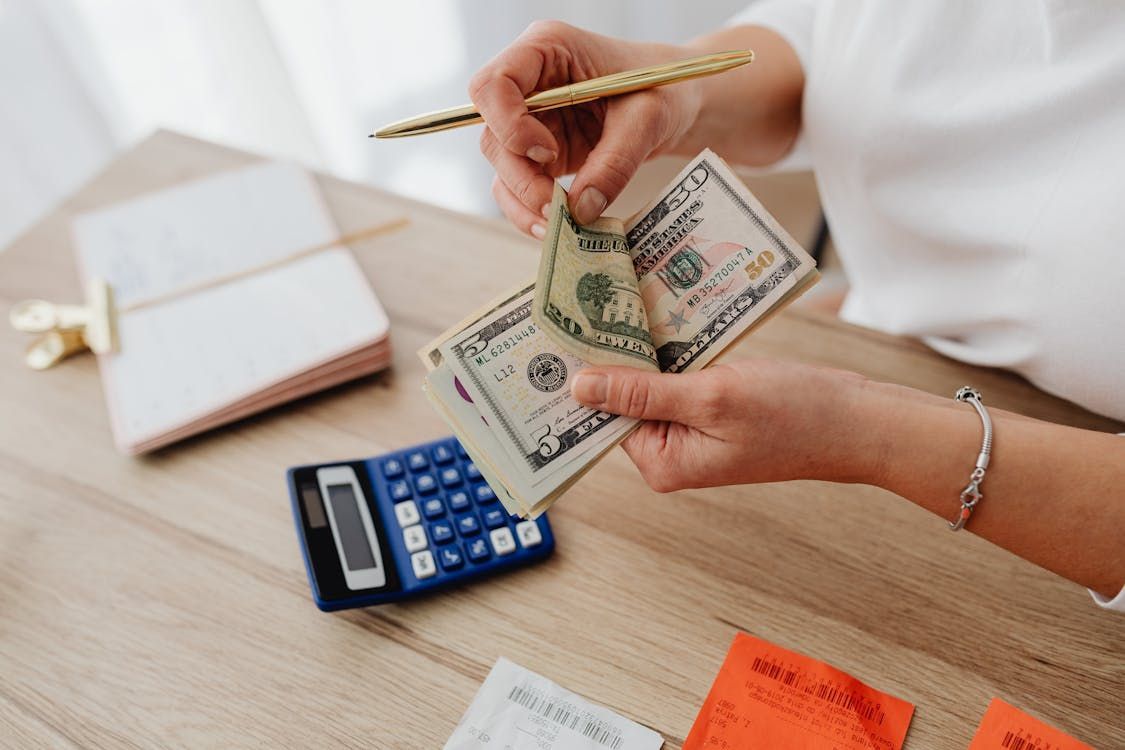
Person counting money with a calculator and notepad on a wooden desk.
By Marjorie McMillian October 26, 2024
Rebuilding Your Entrepreneurial Finances Following Addiction Recovery